The First Pot of Tea
In 1935, the Lin(林) family opened the doors to what would become the beginnings of Yilan(宜蘭) tea history, brewing their very first pot of tea in a small local workshop. At that time, Taiwan had no highways, only mountains, seas, and winds that carried the whispers of the land. Tea was more than a product—it was the language through which the Lin family began a conversation with the land, learning its rhythms and secrets one harvest at a time.
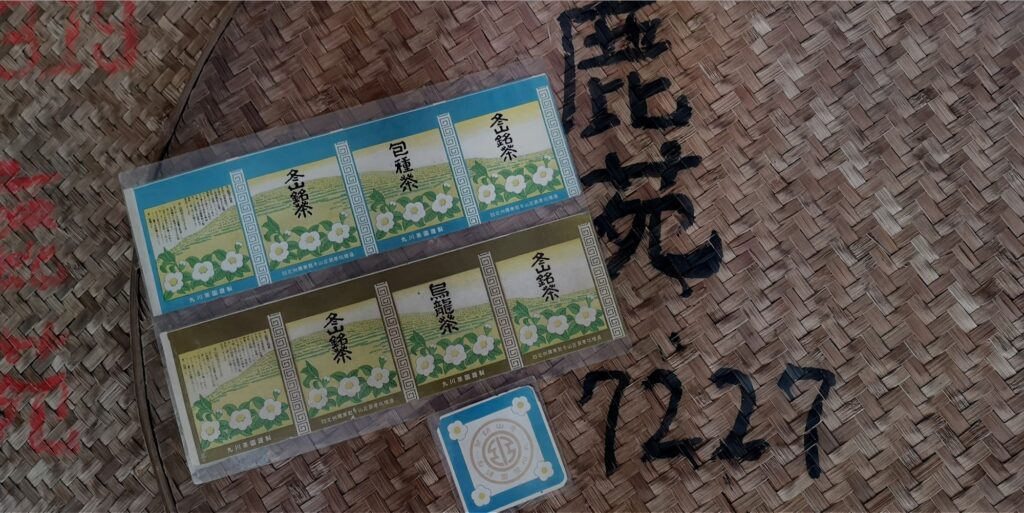
Japanese occupation package
Yilan: Misty Mountains and Tea Gardens
Yilan is a region shrouded in mist, with mountains that rise sharply and valleys that cradle fertile soils. During the Japanese colonial period, modern tea-making techniques were introduced, gradually forming a complete tea production chain in the area. Tea was grown in highland gardens, processed near local settlements, and shipped from nearby ports, allowing the fragrance of Yilan tea to travel far beyond the island. These practices laid the foundation of what would become a rich Yilan tea heritage, connecting local farmers to regional and international markets.
Artistic Memories of the Lin Family
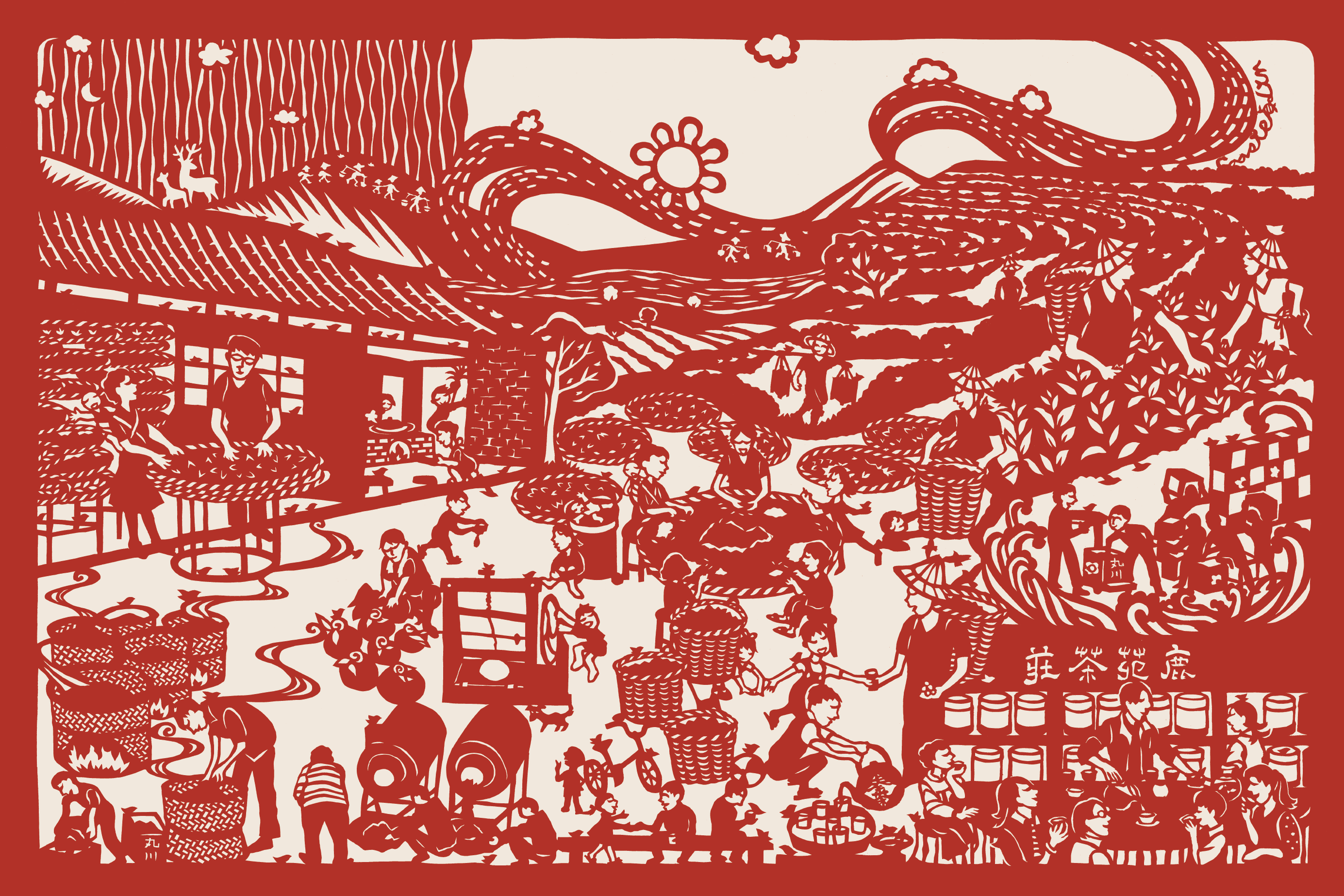
Cassie Lin papercut depicting Yilan tea history and Lin family journey
Artistic Memories of the Lin Family
One vivid depiction of this journey is captured in a papercut by artist Cassie Lin.
✅ Top left corner: Porters carrying loads over the mountains, marking the Lin family’s relocation in 1935 from Shiding(石碇) to Yilan to cultivate tea gardens.
✅ Bottom right corner: Tea crates stamped with “Marukawa(丸川),” representing the export of tea to Southeast Asia during the Japanese colonial era.
📍 But the most touching detail is the family at work: the women carrying children on their backs while gathering twigs and preparing meals, and the children playing among piles of tea leaves, even taking a nap in a large tea barrel.
These small scenes remind us that behind every milestone in Yilan tea history, there were countless quiet, human moments.
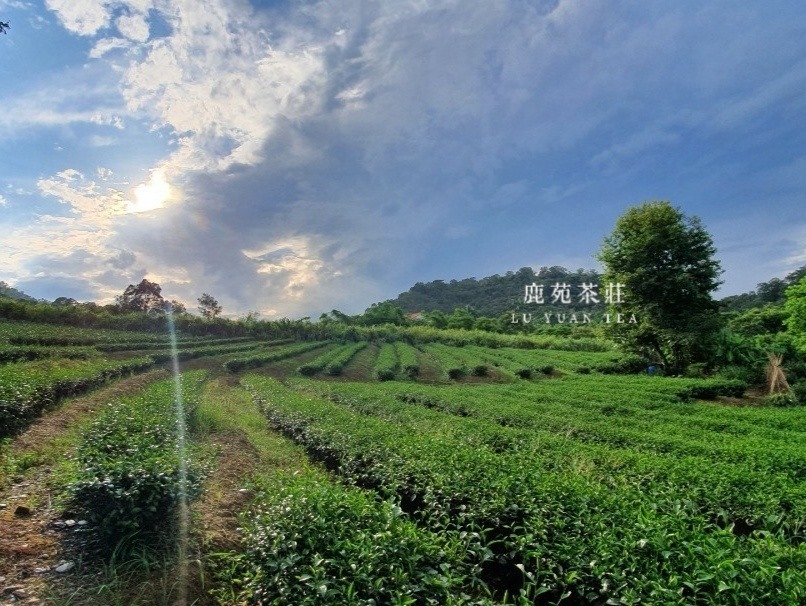
Yilan tea garden in the mist, showing the origins of Taiwan tea culture
Dongshan and Su’ao: Tea as a Way of Life
In the Dongshan(冬山) and Su’ao(蘇澳) areas, tea was not just an agricultural product—it was a way of life. Tea factories operated without grand storefronts, and transactions were direct and cash-based: pay first, take the tea. This simple, clear system became the heartbeat of the local tea trade. The region specialized in semi-oxidized oolong teas, produced using techniques closely related to Pou-Chong(包種茶), and skillfully roasted to enhance texture without overpowering aroma. From here, teas were sent to markets in Pinglin(坪林) and Dadaocheng(大稻埕), and eventually exported overseas, extending the influence of Yilan tea history across Taiwan and beyond.
Historical Scale of Yilan Tea
Historical records from the 1930s show that northern Taiwan, including Yilan, was a thriving center of tea production. According to the 1939 Overview of the Taipei Prefecture Tea Industry, tea gardens in Yilan, Luodong, and Su’ao together covered more than 200 甲(approximately 194 hectares / 480 acres)—a scale comparable to the most prominent tea-producing regions today. Tea from Yilan was transported through Dadaocheng(大稻埕) and Tamsui(淡水) ports, reaching markets in Japan, Southeast Asia, and even as far as Vietnam and the Philippines. These connections made Yilan tea heritage an integral part of Taiwan’s tea story.
The Lin family’s journey and the community’s shared efforts are a cornerstone of Yilan tea history. Their dedication, patience, and craftsmanship allowed semi-oxidized oolong teas to flourish, blending human skill with the natural gifts of the land. Today, visitors can experience this rich Yilan tea heritage firsthand—walking through the misty mountains, observing tea cultivation, and tasting teas that carry decades of tradition.
Tea as a Conversation with Time
From the very first pot brewed in 1935 to the present day, tea remains a living conversation with the land. Each cup carries the stories of mountains crossed, families united in labor, and a community rooted in the craft. The story of Yilan tea history is not just about tea—it is about connection, culture, and continuity.
